La crise de l’automobile allemande a révélé l’attachement profond du pays à la maîtrise du métal, à la combustion et au sport automobile. Une culture mise à mal par le véhicule moderne, dominé par le logiciel, la batterie et la conduite autonome.
Refurbished price for a whole new battery 5-10 k€. Swapping the dead cells in existing battery: 3-7 k€. Bear in mind: these things have a lifespan of 10-12 years. Most cars are younger than that.
No. Cheaper options like the Renault 5 E-tech cost 25 k€, expensive products like the BMW i4 about 60 k€. How’s it more economical to throw this thing into the trash and buy a new one instead of just repairing it?
The repair is outrageously expensive for the short time after which it becomes necessary. A car where a central component of the power train fails regularly after only 10 to 15 years was unimaginable (or considered a piece of junk) not too long ago. And the prices of new cars are outrageous, too, especially if their expected service life until a major overhaul becomes necessary is so short.
But remember EVs are significantly less maintenance intensive. You don’t need oil changes. Brake pad changes are less often. The engine doesn’t need to be rebuilt after a certain amount of kilometers, in general, there are way less parts that can fail. So it’s not all just bad. There are genuine improvements there, and if the battery technology were to be improved, I mean that’s a solid upgrade, isn’t it? But that hinges all on the battery, so yeah.
Engine rebuilds typically are only necessary after a much longer time, by that time you’d be running an electric car at least on its 3rd battery. Brake pads are cheap (and cheaply and easily exchangeable) wear items. With vehicles that do lots of regenerative braking, there are issues with brake rotors getting surface rust problems due lack of use. Replacing (or even just resurfacing them) due to that is way more expensive than swapping some pads.
The typical parts that will fail at some point way too early and can’t be easily or economically replaced have increasingly been electronics, on non-electric cars, too. Most mechanical components that aren’t common to all cars regardless of their power train, have been rather long lived and reliable for a pretty long time. (it got worse after the car industry invented enshittification, though)
Unfortunately there never were any electric cars that didn’t get the full enshittification package with all sorts of unnecessary sensors and electronics.
Yeah, that’s the problem, isn’t it? Electric cars were built in the age of planned obsolescence and other enshitification mechanisms. There still were ICE cars that were actually built to the highest quality standard, that age of quality, electric car sadly missed.


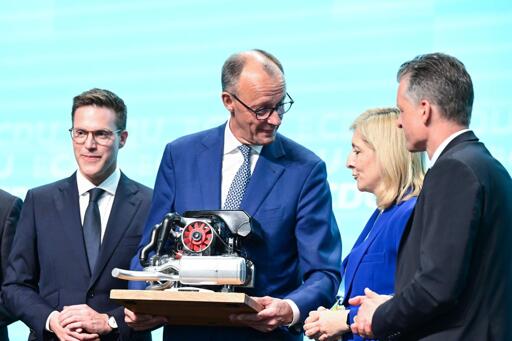
Battery replacement?
That costs how much?
Refurbished price for a whole new battery 5-10 k€. Swapping the dead cells in existing battery: 3-7 k€. Bear in mind: these things have a lifespan of 10-12 years. Most cars are younger than that.
So pretty much uneconomical to even think about it.
No. Cheaper options like the Renault 5 E-tech cost 25 k€, expensive products like the BMW i4 about 60 k€. How’s it more economical to throw this thing into the trash and buy a new one instead of just repairing it?
The repair is outrageously expensive for the short time after which it becomes necessary. A car where a central component of the power train fails regularly after only 10 to 15 years was unimaginable (or considered a piece of junk) not too long ago. And the prices of new cars are outrageous, too, especially if their expected service life until a major overhaul becomes necessary is so short.
But remember EVs are significantly less maintenance intensive. You don’t need oil changes. Brake pad changes are less often. The engine doesn’t need to be rebuilt after a certain amount of kilometers, in general, there are way less parts that can fail. So it’s not all just bad. There are genuine improvements there, and if the battery technology were to be improved, I mean that’s a solid upgrade, isn’t it? But that hinges all on the battery, so yeah.
Engine rebuilds typically are only necessary after a much longer time, by that time you’d be running an electric car at least on its 3rd battery. Brake pads are cheap (and cheaply and easily exchangeable) wear items. With vehicles that do lots of regenerative braking, there are issues with brake rotors getting surface rust problems due lack of use. Replacing (or even just resurfacing them) due to that is way more expensive than swapping some pads.
The typical parts that will fail at some point way too early and can’t be easily or economically replaced have increasingly been electronics, on non-electric cars, too. Most mechanical components that aren’t common to all cars regardless of their power train, have been rather long lived and reliable for a pretty long time. (it got worse after the car industry invented enshittification, though)
Unfortunately there never were any electric cars that didn’t get the full enshittification package with all sorts of unnecessary sensors and electronics.
Yeah, that’s the problem, isn’t it? Electric cars were built in the age of planned obsolescence and other enshitification mechanisms. There still were ICE cars that were actually built to the highest quality standard, that age of quality, electric car sadly missed.
Edit: Enshitification got auto corrected. :(